For years, the creator culture has long prioritised sheer visibility: the most attention-grabbing content and the largest view counts were often seen as the ultimate measures of success and relevance. However, a change has recently become apparent. This shift is visible not only in the type of content being generated but also in the way audiences are engaging with it.
Recently, audiences are more time-poor than ever. They’re financially stretched, mentally overloaded and far more aware of how algorithms work. They know when content is designed purely to keep them scrolling and they’re increasingly resistant to it. Instead, they’re gravitating toward creators who give them something they can actually relate to and use. Something that helps them think, decide or act differently.
This is where usefulness starts to matter – not as a nice-to-have, but as a real competitive advantage within the creator economy.
I don’t think audiences have suddenly lost their appetite for entertainment, however it is important to know that what’s changed is priority. When people are navigating rising living costs, career uncertainties and constant information overload, content that helps them solve real problems carries far more weight than content that simply fills time.
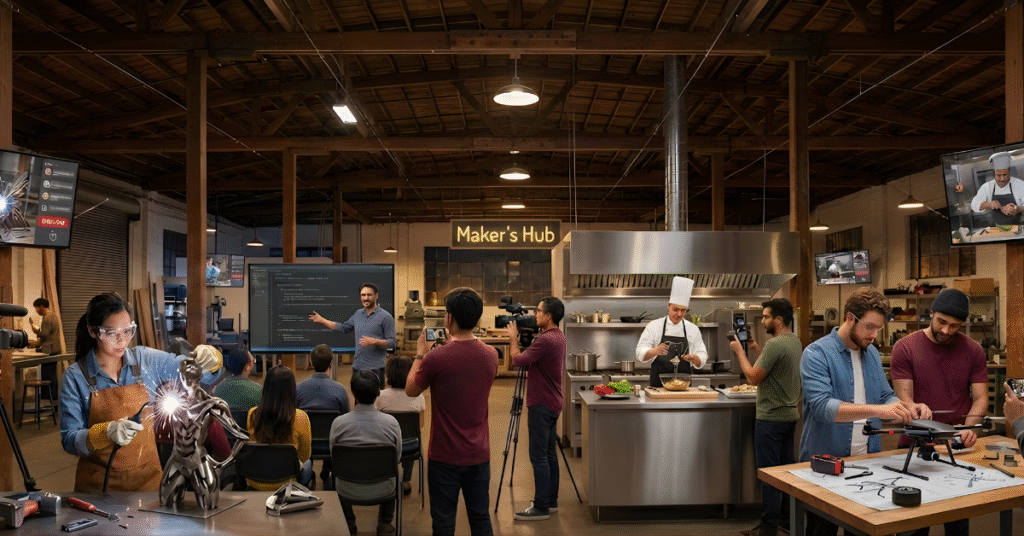
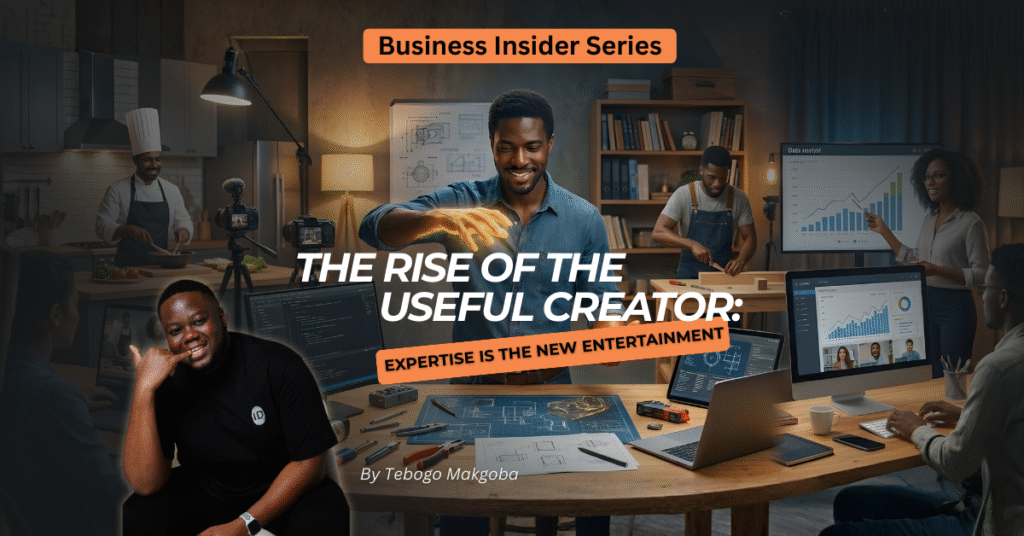
This simply means that creators who teach, explain, simplify or contextualise with intention are winning the audience’s attention in a more meaningful way and more importantly, they’re keeping it. You can see this shift clearly when you look beyond surface-level engagement. Useful content gets saved or it gets shared privately. It sparks follow-up questions and people come back to it when they need it, not just when it happens to appear on their feed.
As we move into 2026, there are early signals that more creators are beginning to lean into explainer-style content such as step-by-step breakdowns, financial literacy, career guidance, and skills-based storytelling. Rather than chasing volume or noise, these creators appear to be prioritising clarity, suggesting that in the current climate, being understood may be becoming as valuable as being seen
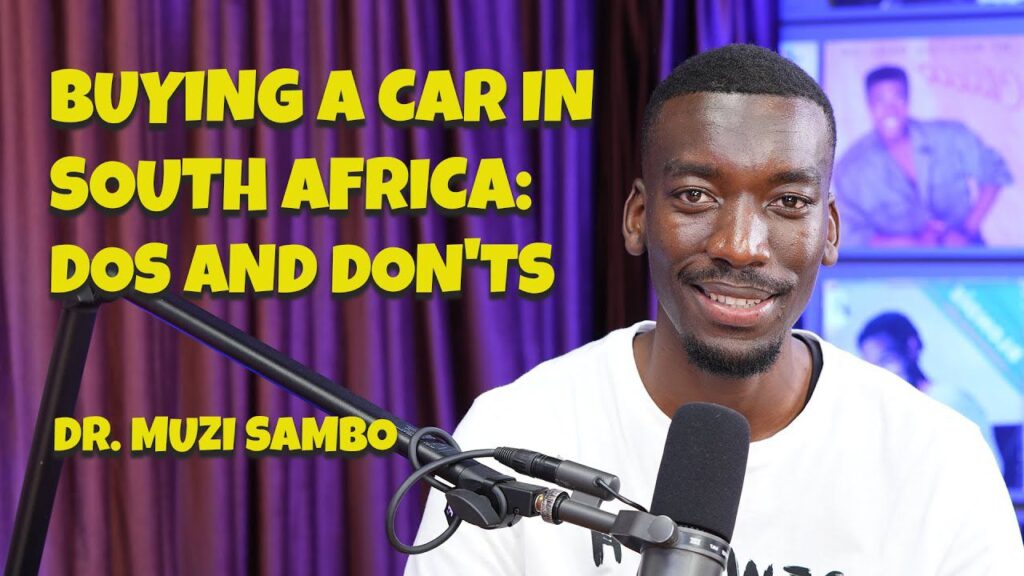
Take the example of Muzi Sambo. His content isn’t about spectacle – it’s about helping people make smarter decisions when buying or owning cars in the South African context. From cost of ownership to real-world reviews, each video is grounded in practical insight rather than pure entertainment. This has resulted in his audience coming back when they need guidance because he has built trust with them.
Another example is TikTok creator Katlego_Kala – where his relatable, finance-focused clips centre around everyday money decisions and mindful spending. Whether he’s breaking down saving strategies or the psychology of money, his content resonates because it’s useful to people navigating real financial pressures. The conversations he starts aren’t just entertaining – they’re practical reflections that people apply to their own lives.
Neither creator relies on noise. Their influence comes from consistency, clarity and relevance.
For brands, this shift matters a lot. Reach alone isn’t enough anymore. Partnering with creators who educate and empower can drive deeper consideration and authenticity, because trust already exists between the creator and their audience. Those relationships are far more valuable than transient spikes in views.
What we’re seeing now isn’t the decline of entertainment or the end of creator culture. It’s a correction. Audiences are voting with their attention, their saves and their trust, and they’re choosing creators who respect their time, intelligence and lived reality.
In an increasingly noisy ecosystem, usefulness cuts through because it gives more than it takes. And in a market like South Africa where context matters deeply – the creators who inform, empower and translate will always outlast those who simply perform.
By Tebogo Makgoba