

Walk into Checkers and you are no longer simply buying groceries. You are participating in a miniature economy powered by the 60 Everyday Little Shop collectables. Order a meal at McDonald’s and you are not just satisfying a craving, you are revisiting a cultural moment through the Friends series collectables. These campaigns are not playful add-ons. They are deliberate brand awareness and revenue growth levers rooted in behavioural psychology and cultural memory.
The resurgence of collectables reflects a strategic shift in how brands drive repeat purchases and long-term brand preference in saturated categories. On a practical level, they increase basket size and encourage more frequent store visits through simple mechanics such as spending more and unlocking more. However, the real impact goes deeper. Collectables turn routine purchases into rewarding experiences, strengthening emotional connection to the brand. Consumers begin choosing a retailer or QSR not only for price or convenience, but because it feels engaging and culturally relevant. Over time, that builds loyalty expressed through consistent spend, preference and advocacy.
The audience driving this trend is not primarily children. It is millennials and older Gen Z consumers who grew up trading toys in schoolyards and collecting limited edition items tied to cereal boxes and fast food meals. They now control household budgets and influence family purchase decisions. In a climate defined by economic pressure and digital overload, nostalgia becomes a drawing card.. It offers familiarity in a world that feels perpetually in beta. For brands, this creates a rare opportunity to build emotional equity at scale.
What makes collectables commercially effective is their ability to gamify consumption without making it feel transactional. A loaf of bread becomes part of a treasure hunt. A takeaway meal becomes a cultural artefact. The act of collecting introduces anticipation, scarcity and status, all of which are powerful behavioural triggers. Consumers are not just buying products, they are chasing completion, sharing progress online and trading duplicates with friends. The campaign extends beyond the store shelf into social feeds and community spaces, where organic advocacy begins to compound.
Globally, nostalgia marketing has been visible across entertainment, fashion and gaming, but in South Africa, the strongest execution is currently emerging from retail and quick service restaurants because of their frequency and scale. These sectors have the infrastructure to distribute collectables efficiently and tie them to spend thresholds. However, the real white space lies in culturally specific intellectual property. South Africa has a deep archive of iconic campaigns, characters and shared references that shaped generational identity. When Obakeng Moroe reflected on Sgud Snaysi, he was not simply referencing a clever campaign. He is pointing to cultural capital that still holds emotional weight.
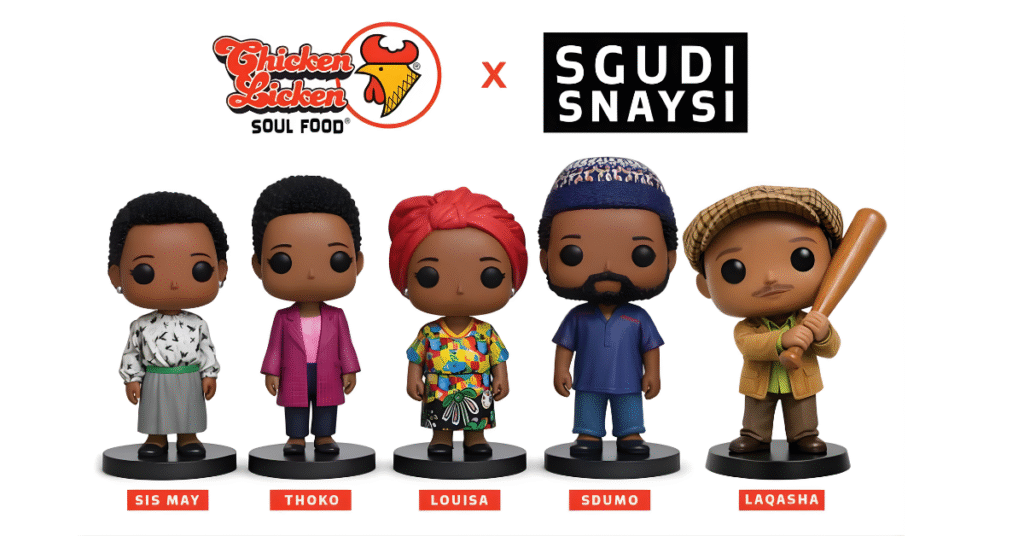
The reason nostalgia works now is tied directly to the broader macro environment. We are living through accelerated technological change, AI disruption and ongoing economic volatility. Consumers are constantly adapting. In that context, familiarity reduces friction. It builds trust quickly and reinforces brand affinity without extensive rational persuasion. Nostalgia shortens the path to emotional connection, which is increasingly valuable in a fragmented attention economy.
However, not every retro activation qualifies as strategic nostalgia marketing. Simply reviving an old logo or recycling archive visuals will not sustain engagement. Effective collectable campaigns require narrative depth, structured progression and integrated digital layers. Physical items should unlock online experiences, exclusive content or augmented interactions that extend campaign lifespan. The future of nostalgia is hybrid, where physical memorabilia meets digital amplification.
For brands considering this space, the process begins with cultural insight rather than design. Identify which moments genuinely shaped your audience’s formative years. Assess which brand assets still carry emotional equity. Develop a collectable system that rewards loyalty over time rather than delivering a single spike in attention. Integrate creators who can reinterpret legacy campaigns for a new generation without diluting their essence. Finally, measure success beyond short-term sales uplift by tracking repeat purchase frequency, user-generated content and sentiment shifts.
The rise of collectables is not a fleeting retail tactic. It reflects a broader shift from transactional marketing to participatory brand building. In categories where price competition is relentless and product differentiation is marginal, emotional resonance becomes the ultimate differentiator. South African brands have a strategic advantage if they choose to leverage their own cultural history instead of defaulting to imported nostalgia.
Nostalgia, when executed with intent, is not about looking backwards. It is about using memory as infrastructure for future growth.