
The rapid sell-out of Takealot House of Beauty tickets is not just a moment. It is a signal. Within hours, tickets for a three day event were gone, drawing thousands of consumers into a frenzy of anticipation, excitement and, for many, disappointment. The question that followed was inevitable. If the demand is this clear, why does access feel so limited?
To understand this, you have to look beyond the surface. The success of House of Beauty is not accidental. It is the result of deliberate build up, sustained audience engagement and a growing cultural footprint that has been expanding year on year. What started as a retail-led experience has evolved into a calendar moment, one that consumers actively look out for, plan around and talk about long before tickets even drop.
That anticipation is matched by a compelling value proposition. Tickets, typically priced in the hundreds, unlock access to curated brand experiences, exclusive product interactions and high value goodie bags that often exceed the cost of entry itself. For many attendees, the purchase is immediately justified. It feels less like spending and more like gaining.
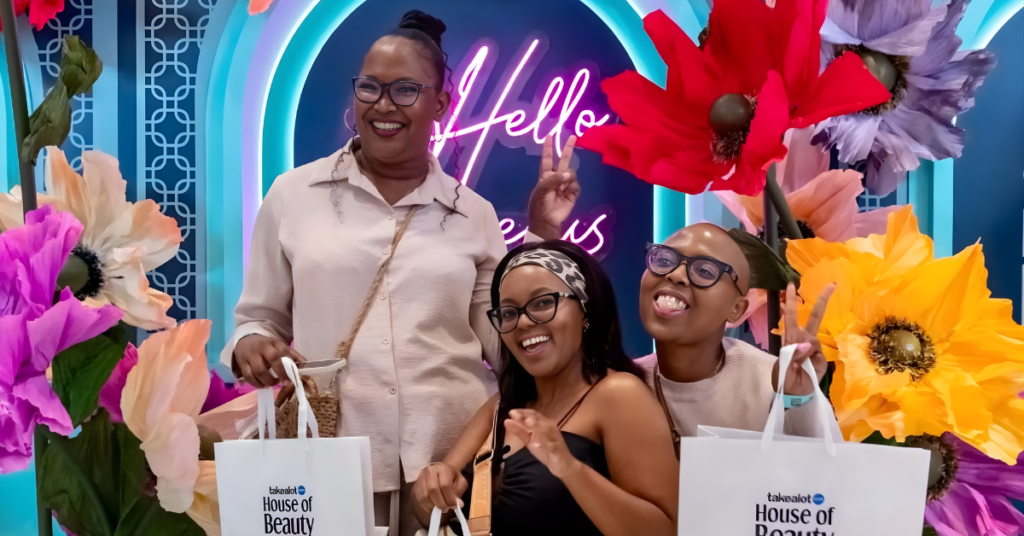
This is where demand starts to compound. Beyond the tangible value, there is also the rarity of access. House of Beauty brings together premium and emerging beauty brands, many of which consumers do not regularly experience in a single, physical environment. It creates proximity to products, creators and experts in a way that traditional retail or e-commerce cannot replicate. The result is an experience that feels both exclusive and immersive.
As the event has grown, so too have expectations. Returning attendees carry a memory of what the experience delivered previously, from the accessibility of tickets to the perceived volume of value received. This year, with tickets selling out faster and availability appearing more constrained, a new layer of conversation has emerged. Not necessarily about the quality of the event, but about access to it.
From a brand perspective, this tension is not unexpected. Scarcity is one of the most effective tools in driving desirability. Limiting supply creates urgency, elevates status and protects the integrity of the experience. It ensures that what is delivered on the ground meets the expectation that has been built online. A curated environment is easier to control, easier to manage and often more impactful.
From a consumer perspective, however, the equation is slightly different. When demand is visibly high and expectations have already been set, reduced access can feel like a shift. Not necessarily a loss of value, but a redistribution of it. Fewer tickets mean greater exclusivity, but also greater competition to participate. That is where sentiment begins to take shape.
This dynamic is not unique to Takealot. It reflects a broader evolution in South Africa’s ticket culture. Across music festivals, lifestyle events and branded experiences, consumers are increasingly navigating a landscape defined by high demand, limited supply and rising expectations. People are still willing to spend, but the bar for what feels “worth it” continues to rise. Value is no longer just about price. It is about experience, access and social relevance.
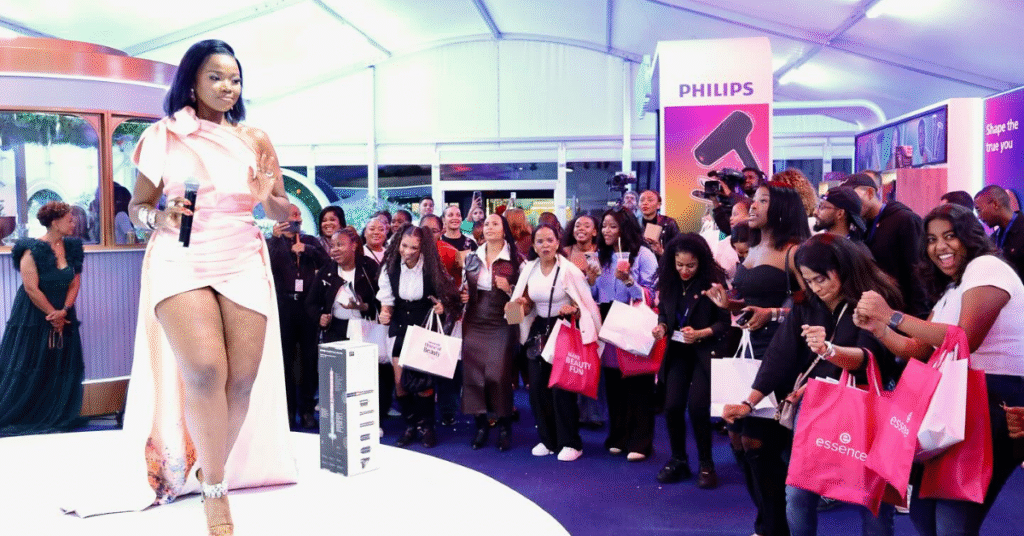
What Takealot has done differently is recognise that the real opportunity is not just in selling products, but in creating a space where those products come to life. House of Beauty is not positioned as a retail extension. It is positioned as a cultural moment that happens to include commerce. That distinction changes how it is perceived and, ultimately, how it performs.
Consumers are not showing up purely to shop. They are showing up to participate. To engage with brands in real life, to create content, to be part of a shared experience that extends beyond the event itself. What happens over those three days is only part of the story. The rest unfolds on social media, through creators, attendees and the wider audience who engage with the content long after the doors close.
This is where the comparison with platforms like Clicks Playground becomes important. Both operate within the same category, offering access to beauty brands and experiential touchpoints. However, their positioning creates different types of demand. Clicks leans into accessibility and product engagement, while Takealot leans into aspiration, scarcity and cultural relevance. One is designed to be attended. The other is designed to be anticipated, documented and talked about.
That distinction drives behaviour. When an event is positioned as cultural, access becomes more than entry. It becomes status. Attendance becomes a signal. And missing out becomes part of the narrative, fuelling even greater interest for what comes next.
From an economic and marketing perspective, the impact is significant. Events like House of Beauty do not just generate ticket revenue. They drive downstream value across brand partnerships, on site sales, creator collaborations and digital amplification. Every attendee becomes a content creator, extending the reach of the event far beyond its physical capacity. In that sense, the limitation of tickets does not necessarily limit impact. It concentrates on it.
What we are seeing here is a broader shift in consumer behaviour. Passive consumption is no longer enough. Consumers want interaction, participation and connection. Beauty, as a category, naturally lends itself to this. It is social, expressive and community driven. House of Beauty taps into that by creating a physical environment that mirrors how consumers already engage with beauty online.
The sell out, then, is not a failure of supply. It is validation. It confirms that there is a strong and growing appetite for retail experiences that feel cultural, curated and worth showing up for. The challenge moving forward is not whether demand exists, but how it is managed. Expanding access without diluting the experience, maintaining perceived value at scale and finding ways to include a broader audience will be key to sustaining momentum.
As Takealot continues to build out its Month of Beauty, it is clear that House of Beauty is not an isolated play. It sits within a larger ecosystem designed to drive engagement, deepen brand connection and position Takealot as more than just an e-commerce platform.
For those who secured tickets, the experience now carries heightened expectations. For those who did not, the desire remains. And for the industry, the takeaway is simple. When retail meets culture with intention, demand does not just grow. It accelerates.
Takealot has not just created an event. It has created a moment. And in today’s landscape, moments are what build brands and keep them there. Scarcity creates demand, but consistency in value is what sustains it.
By Somila Gwayi