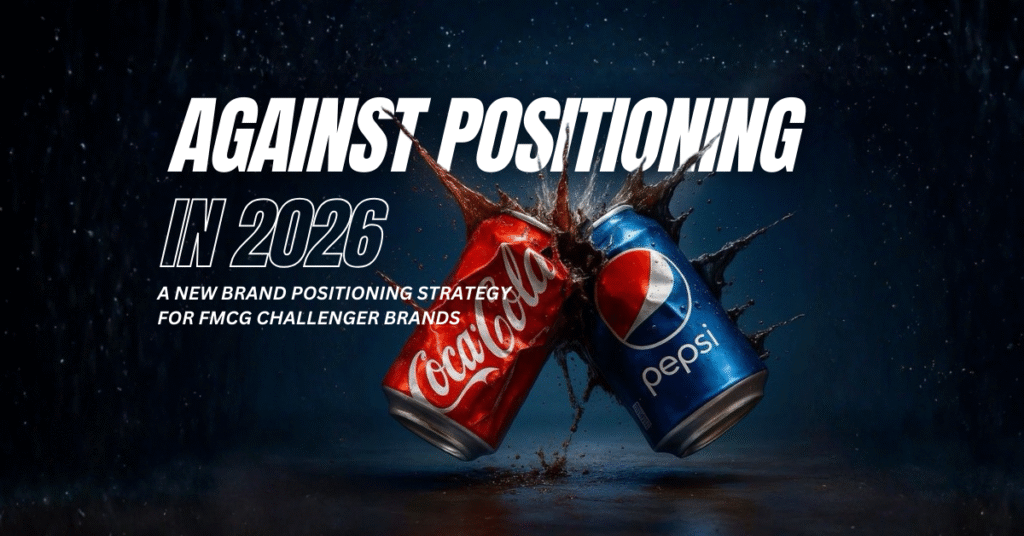
In 2026, challenger FMCG brands need to confront a hard truth. You are not going to outspend, out-distribute or out-shout the category leader. Trying to do so is not bold. It is inefficient. The real power move is far more strategic. It is called “against positioning”, and it is long overdue for a resurgence.
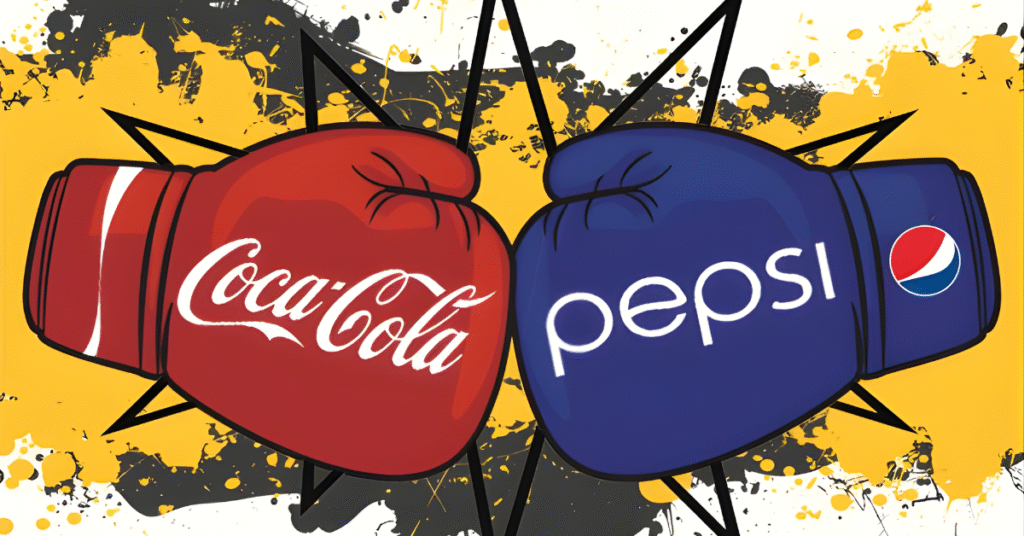
Pepsi learned this the hard way. For years, it attempted to position itself as better than Coke. Better taste. Better vibe. Better energy. However, Coke had already cemented ownership of tradition, nostalgia and family ritual. Those are not functional claims you can displace with a sharper ad. They are cultural equities built over decades. The breakthrough came when Pepsi stopped trying to win on Coke’s terms. Instead of being the classic cola, it leaned into being the alternative. Younger. Edgier. Not your parents’ drink. By embracing number two status, Pepsi reframed the narrative. It turned Coke’s scale into a symbol of establishment and repositioned itself as the choice for a new generation. That shift was not a weakness. It was strategic clarity.
For FMCG challenger brands in 2026, the lesson is simple. Stop trying to defeat the giant. Start stealing the limelight. The most effective way to compete is to weaponise the leader’s strengths. If the incumbent stands for heritage, you stand for progress. If they represent mass appeal, you represent specificity. If they promise consistency, you promise experimentation. The leader’s positioning becomes your creative springboard.
This is not about being contrarian for the sake of it. It is about understanding that markets are psychological battlegrounds. Consumers rarely switch because you are marginally better. They switch because you mean something different. Against positioning creates that difference with intent. It acknowledges the leader’s dominance and reframes it as a limitation. Big becomes slow. Established becomes outdated. Trusted becomes predictable. In a culture driven by speed, relevance and constant reinvention, predictability is not always a flex.
Challenger FMCG brands have a structural advantage here. You are not burdened by legacy infrastructure or conservative brand governance. You can move faster. You can take sharper creative risks. You can tap into micro communities and cultural signals before they hit the mainstream. Against Positioning gives you permission to lean into that agility rather than dilute it in pursuit of mass appeal.
In practical terms, this requires ruthless focus. You cannot be everything. You need to identify the dominant narrative in your category and deliberately stand apart from it. If the category hero film is all about wholesome family dinners, perhaps your brand shows the chaos of real life and embraces it. If the category language is polished and aspirational, maybe you speak in raw, unfiltered vernacular. The point is not to criticise the leader overtly. It is to let consumers see the contrast and choose their side.
Social platforms amplify this strategy. In an era where algorithms reward authenticity and cultural fluency, challenger brands can use Against Positioning to generate conversation rather than just impressions. It plays well in short-form video, in reactive content and in community-led storytelling. When done well, it feels self-aware and confident. When done badly, it feels defensive. The difference lies in conviction. You are not apologising for being smaller. You are celebrating being different.
There is also a commercial upside. Against positioning often allows challengers to command a premium. When you are not competing on the same attributes as the leader, you are not trapped in a price war. You are offering a distinct value proposition that justifies differentiation. In a cost-sensitive market, that clarity matters.
The marketing industry loves to romanticise disruption, yet too many brands still chase the leader’s blueprint. In 2026, that playbook is tired. Consumers are hyper-aware. They can see when a brand is posturing. They respect honesty. They gravitate towards brands that know exactly who they are and who they are not.
Against Positioning demands strategic bravery. It means accepting that you will never own the same territory as the category giant. But that is the point. You are not here to replicate the status quo. You are here to redefine the edges of the category and build equity where the leader is weakest.
Pepsi did not win by pretending to be Coke. It won by making Coke look old. That is the energy challenger FMCG brands need right now. Stop trying to be the hero of someone else’s story. Write your own narrative and let the market decide which future it prefers.
By Somila Gwayi