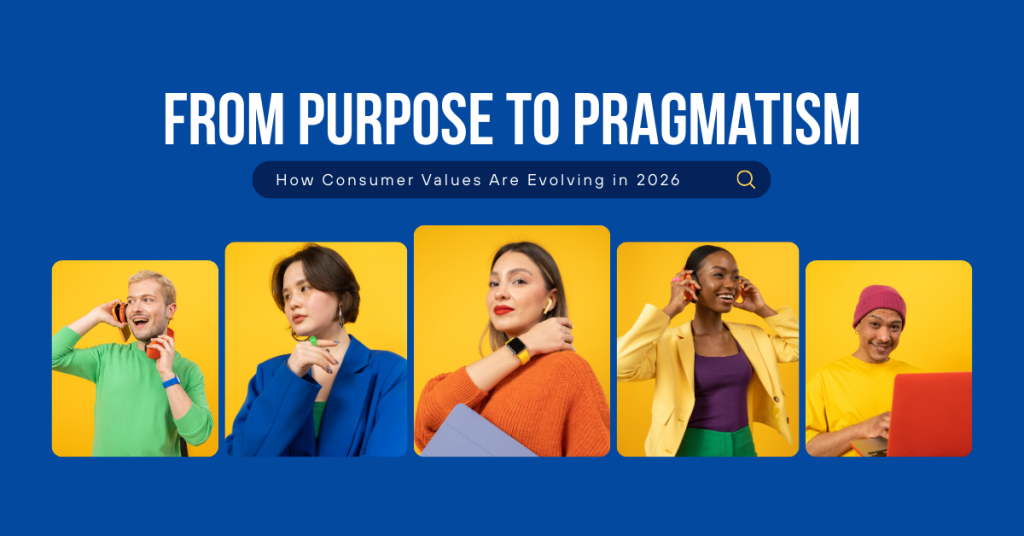
Consumer values in 2026 are shifting from lofty ideals to grounded, outcome-driven expectations, marking a transition from purpose-led marketing to a new era of pragmatic authenticity. While purpose is still important, consumers, especially younger segments are increasingly demanding brands that deliver tangible value, real utility, and everyday problem-solving rather than abstract narratives about saving the world. Economic pressure, rising digital fatigue, and a growing skepticism toward performative branding have reshaped what people consider meaningful. Rather than asking, “What does this brand stand for?” consumers now ask, “What does this brand actually do for me today?” The result is a market where trust is built through consistency, transparency, and practical relevance. Brands are expected to integrate purpose into function, not as an external slogan but as something proven through product quality, pricing, customer experience, and community impact. Consumers reward brands that simplify life, reduce friction, and offer honest communication over those that overpromise and under-deliver.
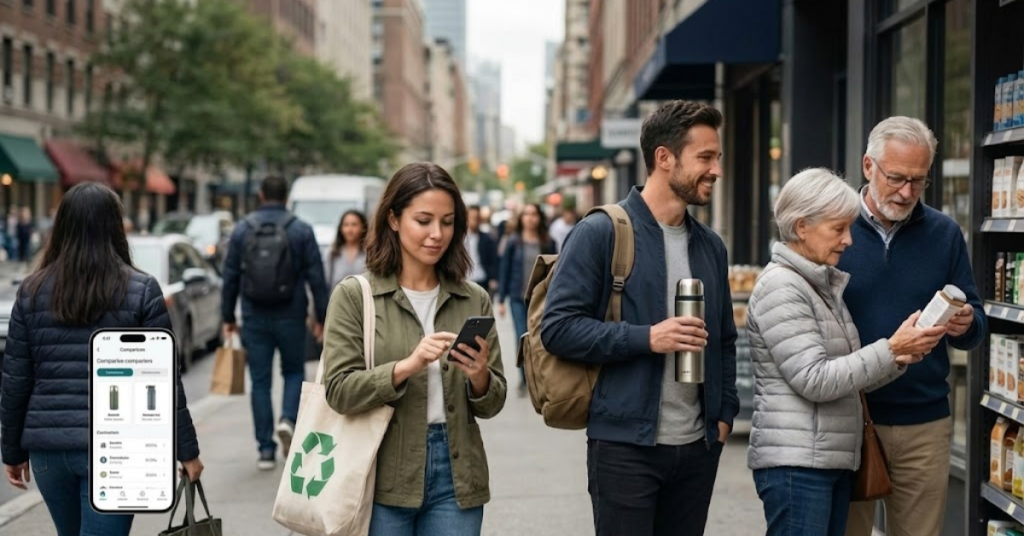
This shift has major implications for marketers and creators. In 2026, emotional storytelling must be paired with proof. Users increasingly seek products that fit into real-world routines, not just aspirational lifestyles. Loyalty is driven by utility, durability, and value-for-money, and the brands that are thriving are those that have redefined innovation around solving everyday pain points. In the creator economy, this pragmatism is visible through the rise of “proof-first” content reviews, demos, walkthroughs, and lived-experience storytelling that cuts through polished advertising. Audiences gravitate toward creators who test, try, compare, and critique rather than simply endorse. Credibility is now currency, and creators who lead with honesty and usefulness become essential partners for brands trying to win consumer trust. Social platforms themselves are rewarding functions, prioritising searchability, how-to content, and educational formats that help consumers make informed choices.
The key takeaway for brands is that pragmatism is not the opposite of purpose, it is the evolution of it. Purpose still matters, but it must show up in action with fair pricing, thoughtful design, sustainability embedded into operations rather than headlines, and a genuine connection to customer needs. Brands that simplify life will outperform brands that simply position themselves as virtuous. For creators, the opportunity lies in becoming trusted navigators of a cluttered market, helping audiences make smarter decisions through experience-led content. Ultimately, the brands and creators who will succeed in 2026 are those who recognise that consumers aren’t becoming less values-driven, they’re becoming more discerning, more grounded, and far more focused on what truly works.