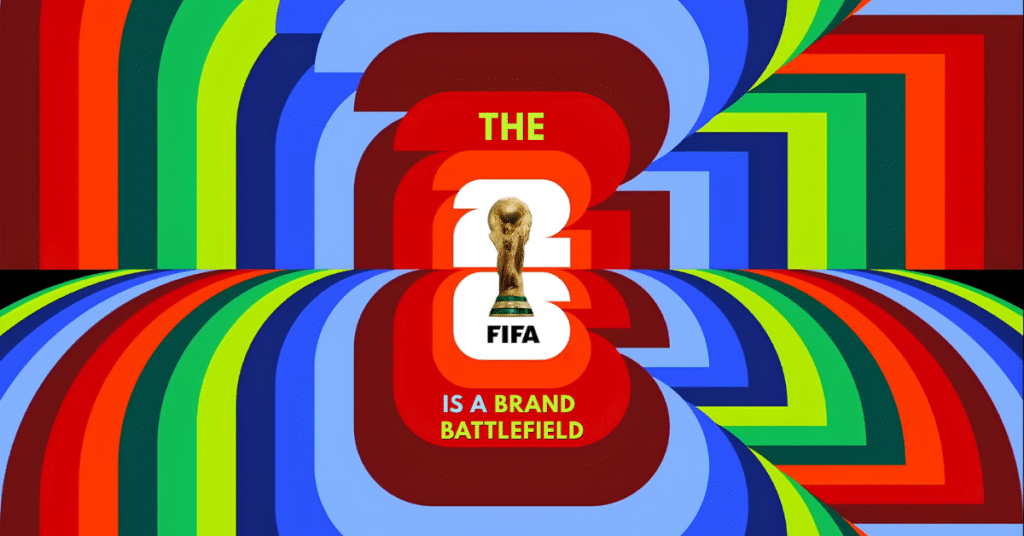

With the 2026 FIFA World Cup just weeks away, brands across the world are accelerating their efforts to position themselves within what is shaping up to be one of the biggest cultural moments of the decade. Yet what is becoming increasingly clear is that this tournament is no longer being marketed purely as a sporting event. It is being approached as a cultural ecosystem, one where football intersects with fashion, creators, gaming, music, travel and identity in real time.
That shift matters because audiences themselves have changed. The modern football fan no longer exists in one place, consuming one form of content in one way. Some experience the World Cup through livestreams and TikTok highlight reels. Others engage through gaming communities, creator commentary, watch parties or fashion culture connected to football. According to recent research, more than 70% of highly engaged World Cup fans are also avid gamers, while younger audiences increasingly consume tournaments through mobile first, short form content rather than traditional broadcasts. This means brands are no longer simply advertising around football. They are competing to become part of the culture surrounding it.
Adidas’ latest World Cup campaign captures this evolution particularly well. At first glance, the film appears to be centred around football stars and celebrity power. Yet the real story sits elsewhere. The campaign focuses on pickup football culture, children playing in cages, neighbourhood communities gathering around local matches and the familiar frustration of having to retrieve a ball kicked over the fence. These details may seem small, but they are precisely what make the work resonate. They ground the campaign in lived experience rather than aspiration alone.
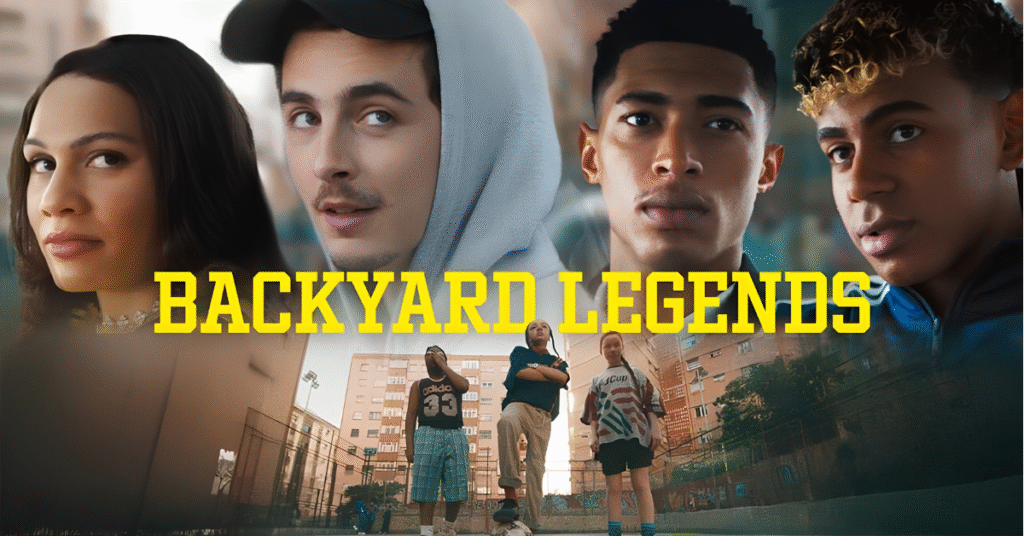
More importantly, Adidas positions football stars not as untouchable icons, but as participants within the culture itself. The campaign subtly reinforces the idea that football begins long before stadiums, sponsorships or professional contracts. It begins in neighbourhoods, communities and shared moments. From a marketing perspective, this is a significant shift because it transforms the emotional relationship consumers have with the brand. Instead of simply selling greatness, Adidas is selling belonging.
What makes this strategically powerful is that Adidas has been building towards this for years. The brand has consistently invested in youth culture, football communities and fashion adjacent storytelling, understanding that loyalty is often built through emotional familiarity long before purchase decisions are made. That positioning feels particularly relevant heading into the 2026 FIFA World Cup because younger audiences are increasingly drawn towards brands that feel culturally embedded rather than commercially imposed.
Historically, its storytelling has centred around ambition, resilience and individual greatness, reinforcing the idea that determination alone can elevate someone beyond their circumstances. Adidas, meanwhile, has traditionally leaned more heavily into collective culture, humour, lifestyle and community identity. Neither approach is inherently right or wrong, but current cultural sentiment appears to favour relatability and shared experience over polished perfection, particularly amongst younger audiences who are becoming increasingly sceptical of overly idealised narratives.
Beyond sportswear, other brands are also beginning to reshape how they engage with the World Cup moment. Coca-Cola continues to position itself around emotional connection and collective celebration, using football as a universal language capable of bringing people together across borders and backgrounds. Heineken, through campaigns like Bar the Change, has approached the tournament through participation and lived experience, particularly for South Africans travelling abroad during major football events. Rather than simply sponsoring football culture, these brands are embedding themselves into how consumers actually experience it socially, emotionally and economically.
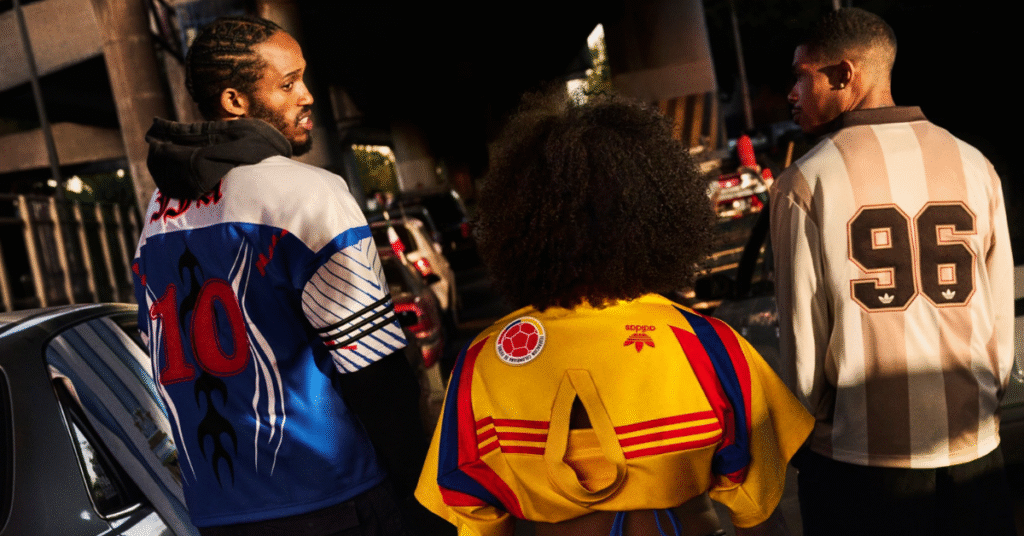
This is where the creator economy becomes central to the conversation. Football fans today do not simply watch matches. They react, remix, document and redistribute the experience in real time. Creators have become critical interpreters of sporting culture, shaping how audiences engage with everything surrounding the game, from fashion and nightlife to travel and fan rituals. Brands understand this, which is why creators are increasingly being integrated into campaigns not as amplifiers, but as active participants who validate the experience itself.
At the same time, it would be impossible to ignore that this World Cup arrives within a broader global landscape shaped by ongoing geopolitical tensions, economic uncertainty and shifting public sentiment across different regions. Yet what is particularly notable is how brands like Adidas and Coca-Cola are choosing to show up within this moment. Rather than centring on division or uncertainty, their campaigns lean into themes of community, participation, belonging and shared cultural experience. In doing so, they offer audiences something increasingly valuable: a sense of collective energy and emotional escapism.
The result is not necessarily a distraction from reality, but a temporary reinvigoration through experiences that remind consumers why global sporting moments continue to matter beyond the politics surrounding them.
That cultural layer becomes even more significant considering the tournament will be hosted across the United States, Canada and Mexico. Despite the scale of the event, conversations have already emerged around whether the United States, in particular, has generated enough visible cultural excitement compared to the rest of the world. That contrast highlights something important about the World Cup itself. Its energy cannot be manufactured through infrastructure or sponsorship alone. It is built through collective anticipation, emotional participation and cultural momentum.
For South Africa, this conversation carries particular weight because football occupies a deeply social and emotional space within local culture. The World Cup becomes more than entertainment. It becomes a shared national experience that cuts across geography, class and generation. That is precisely why local brand activations increasingly focus on participation, community and familiarity rather than purely polished global messaging.
Ultimately, the brands likely to succeed during the 2026 FIFA World Cup will not necessarily be the ones with the largest budgets or the loudest campaigns. They will be the ones that best understand how modern audiences engage with culture itself. Because today’s fans do not simply consume football. They live around it, through creators, fashion, gaming, nightlife, memes, community interaction and social storytelling.
That is what makes this World Cup such a significant marketing moment. It is no longer just a tournament brands advertise around. It is a cultural environment brands must learn to participate in authentically and in that environment, cultural relevance will matter far more than visibility alone.
By Somila Gwayi