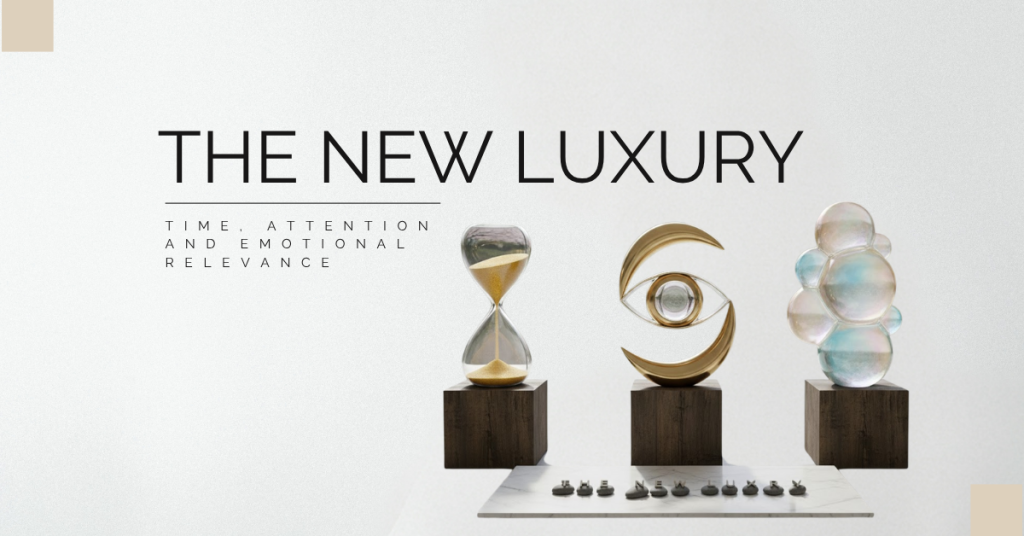

Luxury, once synonymous with exclusivity and price, is being redefined. In 2026, it’s not about how much consumers spend; it’s about how deeply they feel. The modern luxury experience no longer revolves around tangible possessions but around emotional connection, authenticity, and cultural relevance. Today’s consumers, especially Gen Z and emerging Gen Alpha, are fluent in the language of meaning. They seek brands that don’t just occupy space in their wardrobes or homes, but in their lives.
This shift reflects a broader cultural reorientation. Attention has become the new luxury commodity, which is scarce, valuable, and fiercely protected. As digital noise intensifies, moments that truly resonate cut through. A viral campaign, a limited-edition drop, or a heartfelt brand story can command more loyalty than a logo ever could. The most successful brands aren’t chasing reach, they’re curating emotional depth. The question is no longer “Who can afford us?” but “Who feels seen by us?”

Emotional resonance now underpins brand loyalty. The luxury consumer doesn’t want to be sold to; they want to be understood. Whether through a personalised digital experience, a meaningful community activation, or a collaboration that reflects shared values, brands that create these emotionally charged touchpoints are building a new form of equity: emotional equity. In this context, creators and storytellers have become crucial bridges between brand and audience, translating aspiration into empathy.
Consider how brands like Jacquemus, Gucci, and local African luxury labels are redefining aspiration through intimacy and storytelling. They invite consumers behind the curtain, into their creative process, cultural influences, and emotional core. This transparency doesn’t dilute exclusivity; it amplifies it by making it feel earned. In a world where every scroll demands attention, brands that can transform a passing glance into a lasting feeling will win.
By 2026, loyalty won’t be defined by repeat purchase but by repeat emotion. The future of luxury is participatory; it’s co-created, felt, and remembered. To thrive, brands must design for meaning, not merely for margin. Because in this new era, the ultimate luxury isn’t what you own, it’s how a brand makes you feel, and how long that feeling stays with you.
Key Thought:
Luxury is evolving from material possession to emotional impression. The brands that invest in cultivating attention through authenticity, empathy, and storytelling will not just sell products; they’ll build legacies rooted in human connection.