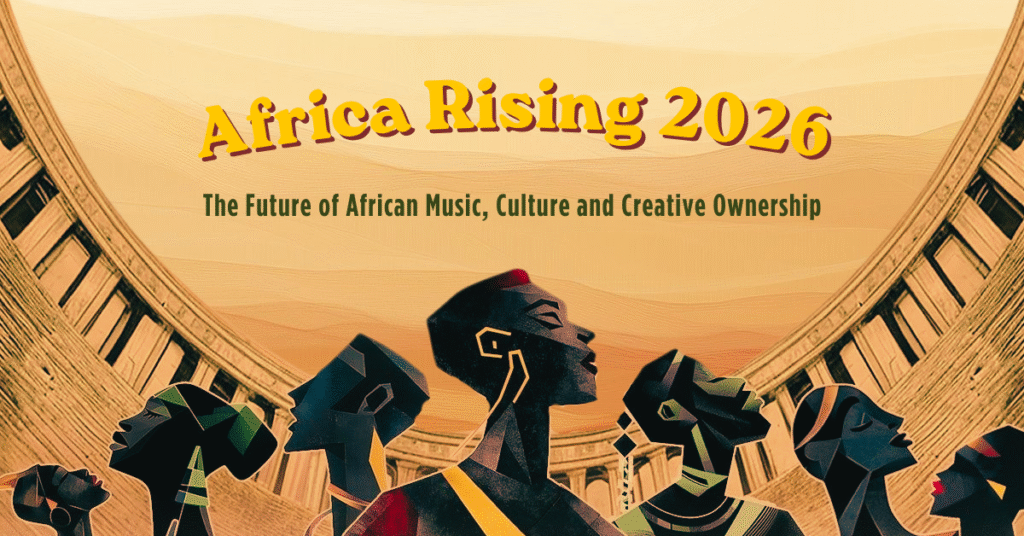
As Africa Month continues to grow in cultural and commercial significance, festivals like Africa Rising are becoming far more than entertainment spaces.
They are evolving into platforms for ownership, collaboration and long term creative sustainability. Taking place from 22 to 23 May across Artistry and Constitutional Hill in Johannesburg, Africa Rising arrives at a time when African music, culture and storytelling are no longer waiting for global recognition. They are shaping global culture in real time.
What makes this year’s festival particularly significant is its dual focus. On one side, there is celebration through music, performance and community. On the other, there is intentional conversation around the business of creativity itself.
The Music Business Networking leg of the festival, hosted at Artistry in partnership with SAMRO, the Southern African Music Rights Organisation, reflects this shift clearly. SAMRO plays a critical role in protecting music creators by collecting and distributing royalties to composers, authors and publishers. Its involvement signals something important. African creatives are no longer only focused on visibility. They are increasingly focused on ownership, protection and longevity.
That is why the three pillars guiding the conversations: controlling the culture, owning the sound and owning your business, feel so timely.
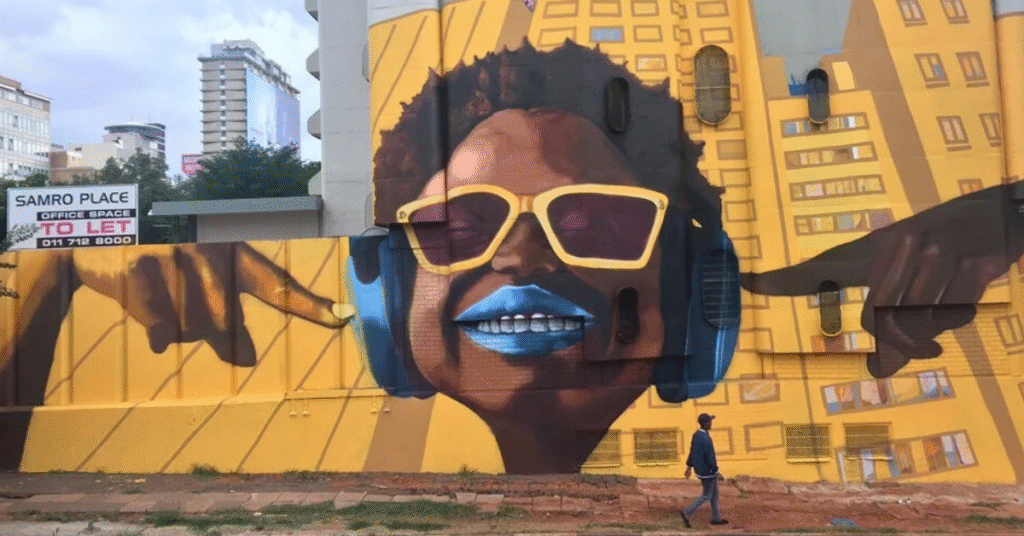
For years, African creativity has shaped global trends while ownership and economic benefit often sat elsewhere. From Amapiano and Afrobeats to fashion, dance and digital storytelling, African creators have consistently influenced the world’s cultural direction. Yet many artists, producers and creatives have historically lacked access to the structures, education and partnerships necessary to fully benefit from what they create. That reality is beginning to shift.
The rise of festivals like Africa Rising reflects a broader movement happening across the continent, one where creatives are asking bigger questions about sustainability, intellectual property, partnerships and economic participation. Visibility alone is no longer enough. The conversation is now about building long term African creative legacies, creating careers, businesses and cultural impact that can be owned, protected and passed on to future generations.
This is particularly important considering the scale of Africa’s creative economy. According to UNESCO, the cultural and creative industries generate approximately $58 billion annually across Africa and employ millions of young people, many under the age of 35. At the same time, Africa remains one of the youngest continents globally, with over 60% of its population under the age of 25. That combination creates enormous creative potential, but also places urgency on building systems that allow African talent to scale sustainably. That is where partnerships become critical.
The collaboration between Africa Rising and Johnnie Walker AfroExchange is a strong example of how brands are increasingly moving beyond sponsorship into cultural participation. Rather than simply attaching themselves to music culture, brands are beginning to invest in spaces that create access, conversation and opportunity for African creatives.
This shift matters because partnerships like these help bridge gaps that many creatives still face, whether financial, educational or infrastructural. They also reflect a growing recognition that African culture is not a niche category or trend. It is an economic and cultural force with global influence.
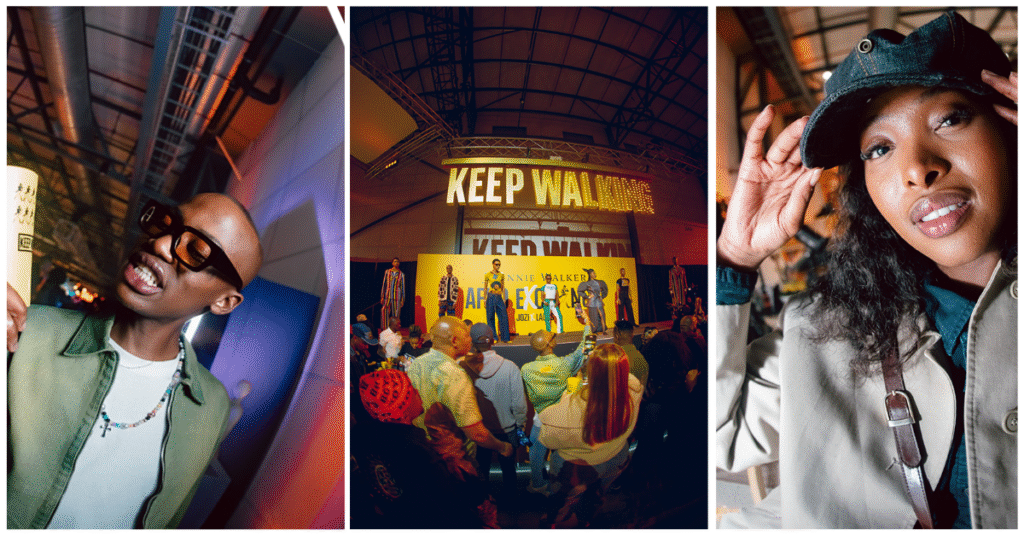
Leaders like Ifeoma Agu, Group Head of Culture, Influence and Advocacy at Diageo, represent this new era of culture-led brand building across the continent. Her work across more than 40 African markets highlights how brands are increasingly recognising that growth in Africa cannot happen without genuine cultural understanding and collaboration with the people shaping the culture itself.
What is particularly powerful about Africa Rising is that it places these conversations within Africa Month, a period that continues to hold deep emotional and historical significance across the continent. Africa Month is not only about reflection. It is about recognition. Recognition of African excellence, African resilience and African contribution across industries, disciplines and generations.
African excellence, within this context, is not simply about visibility or aesthetics. It is about ownership, sustainability and impact. It is about African creatives being able to build careers, businesses and intellectual property that can support them long term. It is about shifting from participation to leadership within the global creative economy.
For young artists, creators and digital professionals, this is especially important. The rise of digital platforms has created unprecedented opportunities for African talent to reach global audiences without traditional gatekeepers. Yet, access alone does not guarantee sustainability. Understanding contracts, royalties, branding, distribution and partnerships has become just as important as talent itself. That is why spaces like Africa Rising matter.
They create room for both celebration and education. They remind young creatives that building a legacy requires more than visibility. It requires ownership of your work, understanding your value and protecting the culture you contribute to.
At the same time, the festival reflects something broader happening across the continent. African audiences are increasingly drawn towards experiences that feel intentional, community driven and culturally rooted. Festivals are no longer just events. They are ecosystems where music, fashion, conversation, networking and storytelling converge.
Constitutional Hill itself adds another layer of significance. As a site deeply connected to South Africa’s history, hosting a festival centred around African creativity and future building there feels symbolic. It reinforces the idea that culture is not separate from history or identity. It is part of how societies evolve and how new narratives are shaped.
Ultimately, Africa Rising is not simply about who performs on stage or which brands are involved. It is about what the festival represents at this moment in time. It reflects a continent increasingly focused on building for itself, investing in its own talent and creating structures that allow African creativity to thrive beyond trends or temporary attention and perhaps that is the most important shift of all. Africa is no longer only exporting culture, it is building industries around it.