
Buying behaviour in South Africa is entering a new phase, one defined less by traditional marketing funnels and more by economic pressure, cultural relevance and digital proximity. While global reports such as Sprout Social’s influencer marketing insights highlight the growing role of creators and social commerce, the South African context adds a layer of complexity that brands cannot afford to overlook. This is a market shaped by inequality, resilience and rapid digital adoption, where consumer decisions are as much about survival as they are about aspiration.
At a high level, South African consumers in 2026 will continue to be digitally connected but economically cautious. The same user scrolling TikTok for product recommendations is also comparing prices across retailers, splitting payments and prioritising essentials. This duality is what defines local buying behaviour. Consumers are not just value driven. They are value obsessed. Every purchase is interrogated, justified and often delayed until it feels worth it.
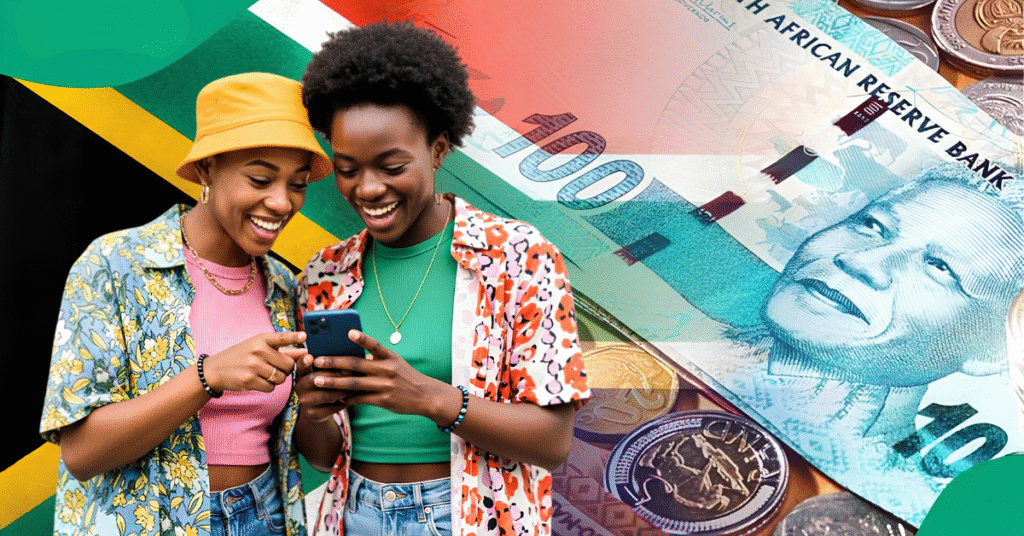
The rise of creator influence will remain strong, but its role will evolve. In South Africa, trust is not given easily. Consumers are highly attuned to inauthentic partnerships and overly polished content. This means creators who win are not necessarily the biggest, but the most relatable. Micro and mid tier creators who reflect real lived experiences will drive stronger conversion than celebrity endorsements. The implication for brands is clear. Influence must feel local, grounded and honest. If it feels like an ad, it will be treated as one and ignored.
Social commerce will continue to grow, but not in a uniform way. While platforms are enabling seamless in-app purchases, many South African consumers will still rely on hybrid journeys. Discovery may happen on TikTok, validation through WhatsApp groups and final purchase in store or via trusted e-commerce platforms. This creates a fragmented but predictable pattern. Consumers want convenience, but they also want reassurance. The brands that win will be those that show up consistently across these touchpoints rather than relying on a single platform to drive conversion.
One of the most defining behaviours in 2026 will be the rise of community driven purchasing. South Africans have always relied on collective decision making, whether through stokvels, family networks or social circles. This behaviour is now extending into digital spaces. WhatsApp groups, comment sections and creator communities are becoming informal review platforms where products are discussed, validated and sometimes rejected in real time. For brands, this means reputation is no longer controlled. It is negotiated in public.
Nostalgia and cultural relevance will also play a significant role in influencing purchase decisions. As seen with the rise of collectables and throwback campaigns, consumers are gravitating towards brands that feel familiar and emotionally resonant. In a market where uncertainty is constant, familiarity offers comfort. However, this must be executed with intent. Surface level nostalgia will not land. It needs to be rooted in genuine cultural insight to drive both engagement and conversion.
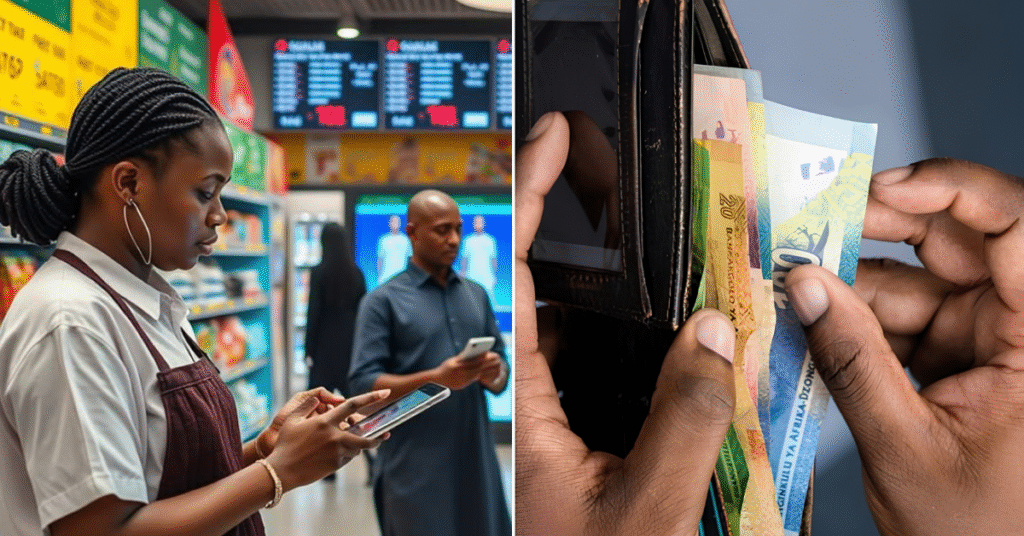
The good:Brands have more entry points into the consumer journey than ever before. The distance between discovery and purchase is shrinking, and the ability to build meaningful relationships at scale is real. Digital platforms, creators and community spaces provide continuous opportunities to engage, educate and convert.
The bad: Attention is harder to earn and easier to lose. Consumers are overwhelmed with content and increasingly selective about what they engage with. If a brand does not deliver immediate relevance, it is skipped. Loyalty is no longer guaranteed. It is earned repeatedly through consistent value and cultural alignment.
The ugly: The growing tension between aspiration and affordability. Many South Africans are exposed to global lifestyles and products through social media, but their purchasing power does not always align. This creates a gap where desire exists without the means to fulfil it. Brands that ignore this reality risk alienating their audience. Pricing strategies, payment flexibility and perceived value will be critical in bridging this gap.
Looking ahead, the brands that succeed in South Africa in 2026 will be those that understand context. This is not a market where global strategies can be copy pasted. It requires localisation, empathy and adaptability. Brands must balance digital innovation with economic sensitivity, cultural relevance with authenticity and convenience with trust.
Buying behaviour in South Africa is not just evolving. It is being redefined in real time by consumers who are informed, connected and increasingly intentional about where they spend. The question for brands is no longer how to reach these consumers. It is how to remain relevant in a market that is constantly recalibrating what value means.
By Somila Gwayi