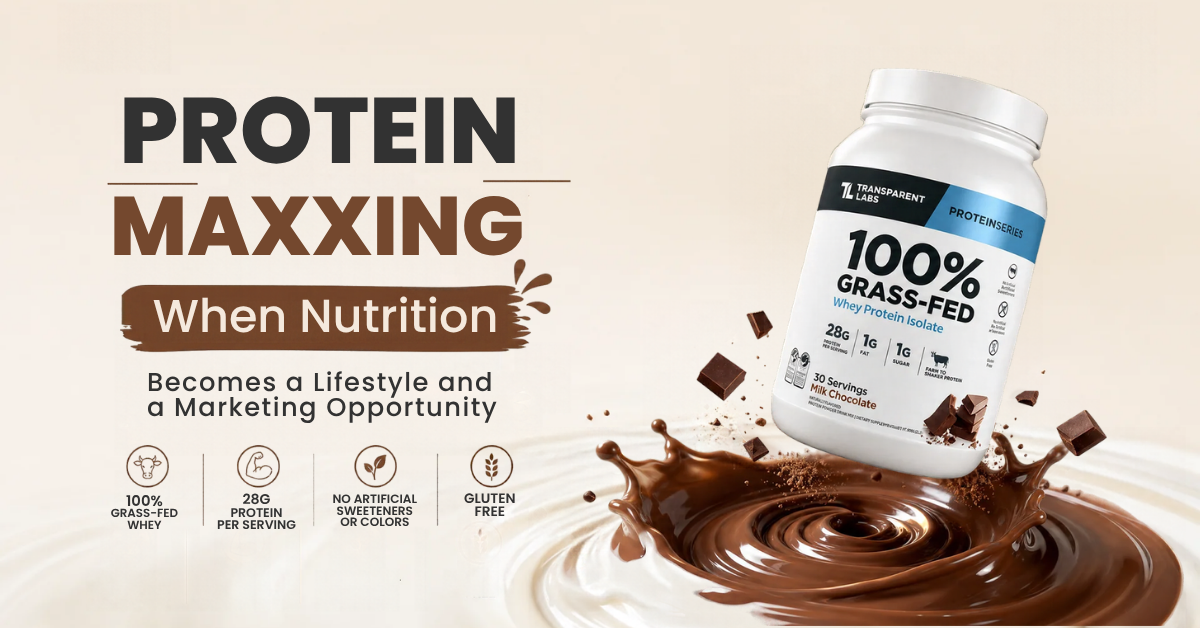

Protein used to have a fairly specific address in popular culture: the gym. It belonged to bodybuilders, athletes and fitness enthusiasts who understood the importance of nutrition in building muscle and supporting recovery. Today, protein has moved far beyond the shaker bottle. It is appearing in breakfast cereals, yoghurt, snack bars, pasta, ice cream and ready-made meals, while social media feeds are filled with high-protein recipes, meal-prep routines and daily intake targets.
Welcome to protein-maxxing: the growing practice of drastically increasing or optimising protein intake often in pursuit of muscle growth, weight management, satiety or a broader sense of health and self-improvement.
The trend is part of a larger shift in which everyday behaviours and activities are increasingly measured, optimised and shared online. Food is no longer only about nourishment or pleasure. For many consumers, it has become a tool for pursuing a particular version of themselves.
Protein-maxxing is the latest expression of a consumer culture increasingly preoccupied with optimisation. The suffix “-maxxing” suggests taking something and maximising it: more protein, better sleep, greater productivity or a more perfected appearance. It turns an ordinary lifestyle choice into an intentional project.
What makes protein-maxxing particularly compelling is its movement from a specialised fitness practice into mainstream food culture. High-protein eating is no longer confined to people who lift weights. It appeals to consumers interested in managing their weight, maintaining muscle, feeling fuller for longer, ageing well or simply making what they perceive to be healthier choices.
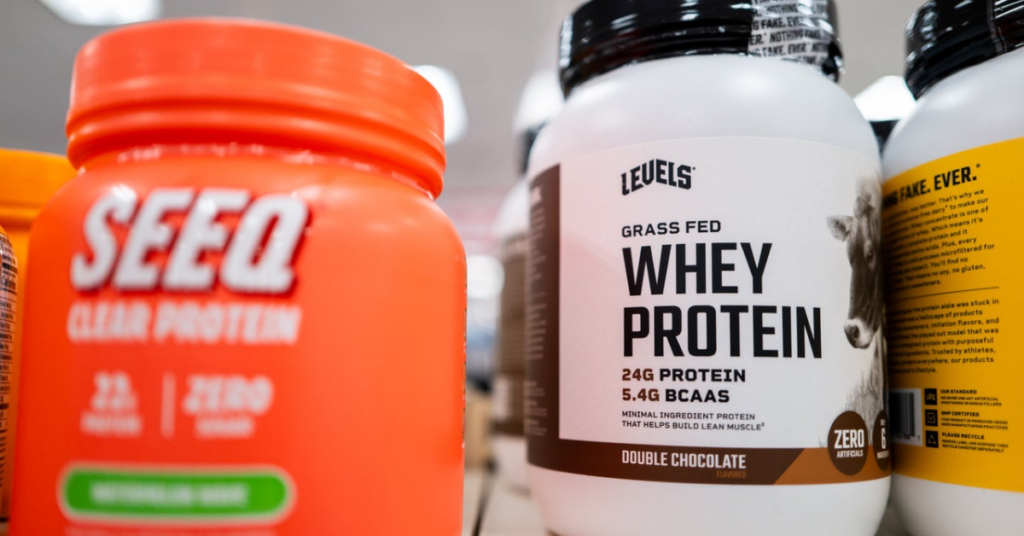
This shift is reflected in the products being developed and marketed. Protein powders and supplements now share shelf space with Greek yoghurt, cottage cheese, protein-enriched snacks, fortified cereals, ready-to-drink shakes and high-protein versions of familiar comfort foods. The market is effectively attempting to make protein available at every point of the day, regardless of whether the consumer is preparing a meal, grabbing a snack or looking for a convenient breakfast.
Euromonitor International identified protein-maxxing in 2026 as an important force shaping protein demand, noting the expansion of high-protein products across food and beverage categories.
The behaviour extends beyond purchasing. On TikTok, Instagram and YouTube, protein-maxxing is expressed through “what I eat in a day” videos, meal-prep demonstrations, high-protein recipes, grocery hauls, macro-counting tutorials and challenges to reach a particular daily protein target. These formats make the behaviour visible, repeatable and accessible. A consumer does not necessarily need a personal trainer or nutritionist to encounter the idea. They can watch someone prepare a high-protein breakfast, copy the recipe, buy the ingredients and share their own version.
The routine itself can become part of the appeal. Tracking grams, preparing meals in advance, reading nutritional labels and finding creative ways to increase protein intake provide a sense of structure and progress. The behaviour we are observing, therefore, is not simply increased interest in a nutrient. It is the packaging of nutrition as an everyday optimisation system, supported by products, routines and content that make the system easy to participate in.
Protein-maxxing tells us something important about contemporary consumers: people are not only buying products to meet functional needs. They are also using consumption to express who they are, who they aspire to become and where they feel they belong.
For some, protein-maxxing is connected to a desire for control. In a world where work, finances, relationships and broader circumstances can feel unpredictable, food offers a manageable area in which progress can be measured. A daily target is something a person can work towards. A meal-prep routine offers structure. A fitness milestone provides visible evidence of effort.
For others, it is about aspiration. The high-protein lifestyle is frequently presented alongside images of disciplined mornings, organised kitchens, gym sessions and visibly fit bodies. The product becomes associated with a wider vision of success: being healthier, more confident, more attractive or more in control of one’s life.
Online communities help accelerate this process. Social platforms transform individual dietary choices into shared cultural practices. Creators supply the recipes, routines and recommendations; followers adapt them to their own lives; comments sections become spaces for exchanging advice, asking questions and comparing experiences. The result is a continuous feedback loop in which behaviour is demonstrated, imitated and reinforced.
There is also a social reward attached to participation. Posting a carefully prepared meal or sharing progress towards a fitness goal can communicate discipline, knowledge and commitment. Likes, comments and encouragement can reinforce those behaviours, while community language creates a sense of familiarity among people pursuing similar goals.
In this context, a tub of protein powder is more than a nutritional supplement. It can signal membership of a fitness community. A meal-prep container can represent discipline. A high-protein recipe can demonstrate that someone understands the language and practices of contemporary wellness culture.
This is where identity becomes commercially significant. People often choose products that help them enact an identity they already hold or aspire to hold. The aspiring fitness enthusiast, the health-conscious professional, the recreational athlete and the consumer interested in healthy ageing may all buy protein-rich products, but their motivations and expectations are not necessarily the same.
For brands, the lesson is that communities do more than distribute information about products. They establish norms, define aspirations and influence what people consider desirable or worthwhile. Understanding protein-maxxing therefore requires looking beyond the individual shopper to the social environments in which preferences are formed.
The first lesson is that brands need to understand the cultural meaning of a trend before deciding how to participate in it. It would be easy to interpret protein-maxxing as a straightforward product opportunity: develop a high-protein product, put the protein content prominently on the packaging and expect demand to follow. But that approach overlooks the reasons consumers are interested in the trend in the first place.
Consumers may be seeking convenience, physical progress, reassurance, a sense of control, social belonging or a more accessible route into healthy living. Protein is the functional ingredient, but the motivation behind the purchase can be emotional, social or aspirational.
Brands that understand these motivations can build more relevant propositions. Although the products may share a nutritional feature, the consumer problems they solve are different. Effective marketing begins by identifying those differences.
Secondly, brands should understand the communities in which the trend lives. The same protein product can mean different things to a gym community, a meal-prep creator’s audience and a group interested in healthy ageing. Their preferred language, content formats, credibility cues and definitions of success may differ.
For South African marketers, this raises a useful question: how can the trend be translated into local eating habits, budgets and cultural contexts rather than simply importing the aesthetics of international fitness culture? Familiar ingredients, accessible meal ideas and realistic routines may offer more relevance than a campaign built entirely around expensive supplements and aspirational gym imagery.
Ultimately, protein-maxxing demonstrates why marketers need to study the behaviour behind a trend, not just the product category it creates. The brands most likely to build lasting relevance will be those that understand what people are trying to achieve, how their communities shape those ambitions and where their products can genuinely help.
Protein-maxxing is a useful case study in modern consumer culture because it brings together nutrition, identity, technology, community and commerce. Its growth illustrates how a functional product attribute can become a lifestyle symbol, how online communities can turn personal routines into shared practices, and how brands can participate in cultural movements that extend far beyond the supermarket shelf.
The question for marketers is not simply whether consumers want more protein. It is why protein has become such a compelling answer to what consumers want for themselves.
That distinction matters. Products can satisfy a need, but understanding the motivations, aspirations and communities behind that need is what allows brands to create meaning, build trust and earn a place in people’s lives.
By Leroy Marc