

Something is shifting in the relationship between brands and creators, and it is more significant than any other evolution in how influencer contracts are structured. Brands are beginning to give creators actual titles, from chief creative officer and chief content officer to brand director and strategic partner. These are not honorary mentions in a press release. They are appearing on LinkedIn profiles, in brand communications, and increasingly in multi-year agreements that position creators as genuine institutional voices rather than campaign assets. The question that the industry, and particularly the South African market, needs to answer honestly is whether the title reflects real power or whether it is the most expensive vanity badge the marketing budget has ever produced.
The global precedent for this shift is well established, and the commercial case for getting it right is unambiguous. e.l.f. Cosmetics embedded creator intelligence directly into its product development process and grew from a largely unknown budget brand into one of the most commercially dominant beauty companies in the United States, consistently outperforming legacy players with significantly larger marketing budgets. Likewise, Savage X Fenty did not simply put Rihanna’s name on a lingerie line.
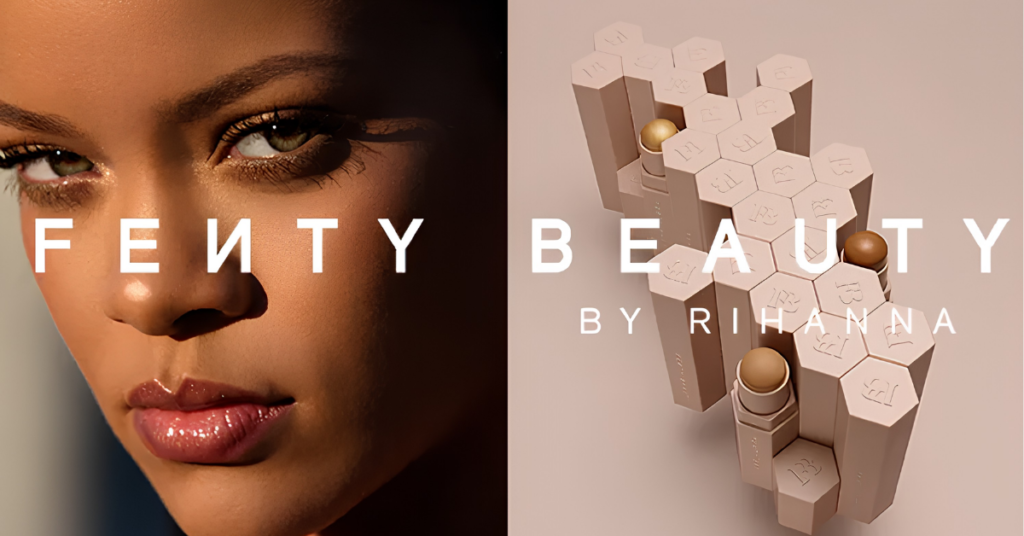
It restructured the entire brand around her creative authority and dismantled Victoria’s Secret’s decades-long market dominance in the process. In both cases the commercial outcome was a direct function of the depth of creative access, not the visibility of the title. A creator with a Chief Creative Officer designation who has no seat at the product brief, no input into campaign strategy, and no ability to redirect a creative direction that conflicts with their audience’s values is not an executive. They are an ambassador with better business cards, and the commercial results reflect that distinction clearly.
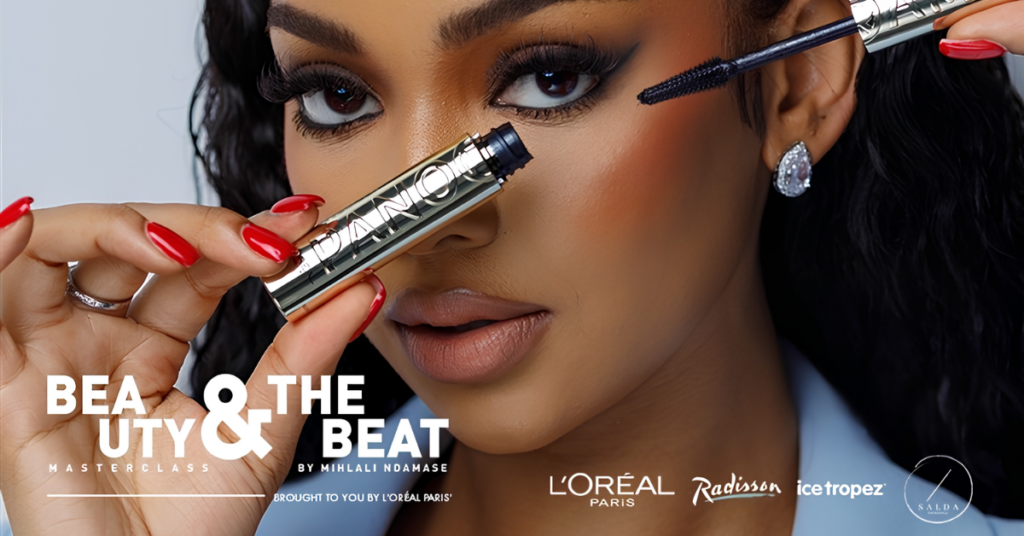
The South African beauty and lifestyle market adds a layer of complexity to this conversation that the global examples do not fully capture. South Africa’s most prominent creators move between brand partnerships with significant frequency, and their audiences have developed a sophisticated literacy for what that movement means. When Mihlali Ndamase worked with L’Oréal and then appeared in Fenty campaigns within a compressed window, her audience did not collapse in outrage. They understood it as the commercial reality of a professional creator career. South African audiences have largely accepted endorsements and ambassadorships as legitimate income streams for creators they admire. What they have not accepted, and where the reputational risk genuinely lives, is when a brand positions a creator as a strategic authority and then the creator’s visible output contradicts that claim. The question is not whether a creator has worked with multiple brands. It is whether the executive title they are carrying reflects genuine creative power or whether it is a launch asset that expires with the campaign. Audiences in this market can distinguish between the two, and they are not forgiving when the answer is the latter.
What genuine strategic input looks like in practice is specific and measurable, and it carries obligations in both directions. A creator with real executive authority shapes the product before it launches, not after. They are in the room when the brand is deciding which markets to enter, which collaborations to pursue and which cultural moments to engage with. Their name on a campaign reflects a decision they were part of making. But the accountability structure cannot only run from the brand to the creator. Brands have legitimate and significant financial interests in these arrangements. They are restructuring creative strategy around a creator’s input, building product direction based on their audience intelligence, and in some cases committing multi-year budgets to a relationship whose commercial return depends on the creator’s sustained engagement and goodwill.
A creator who accepts an executive title, takes the associated fee, and then limits their strategic contribution to a quarterly appearance is not a victim of a hollow arrangement. They are a participant in one. The check and balance for a genuine creator executive relationship is contractual clarity on both sides, defined deliverables, meaningful creative access for the creator, and meaningful accountability for the creator’s strategic contribution to the brand. Without both, the arrangement is theatre regardless of which party is performing.
For creators navigating this moment, the executive title trend represents the most significant expansion of negotiating leverage the industry has produced. The ability to bring genuine community trust, cultural fluency, and audience intelligence to a brand’s strategic function is a capability that no internal marketing team can replicate regardless of budget or headcount. But leverage is only valuable when it is exercised with honesty about what the role actually entails. Before accepting any title that positions them as a brand’s creative authority, creators need clarity on what decisions they will genuinely have input into, what recourse exists when their creative judgement conflicts with the brand’s commercial priorities, and what the contractual protections are if the brand acts in ways that contradict the values their audience trusts them to uphold.
Equally, brands need clarity on what strategic contribution they are actually purchasing, how that contribution will be measured, and what accountability the creator carries for the role they are accepting. A title without that mutual structure is not a partnership. It is a press release with a longer shelf life.
The brands getting this right in South Africa are the ones that recognise the appointment of a creator to a genuine strategic role is not a marketing decision. It is a business decision. It changes how the brand thinks, what it makes, who it speaks to, and how it earns the right to be in those conversations. Done with genuine intention and contractual rigour on both sides, it is one of the most powerful brand-building moves available in a market where community trust is the only currency that compounds over time. Done as a vanity badge timed to a product launch, it is one of the most expensive ways to lose it, for the brand and for the creator who lent their credibility to it.
By Somila Gwayi