
There is a particular kind of influencer marketing that South African audiences have always been able to see through. The overly polished caption, the product placements, and the partnership that looks more like a television commercial than a social media post. South African consumers, particularly those under 30, have developed one of the sharpest collective radars for inauthenticity on the continent, and the global data is finally catching up to what this market has been signalling for years.
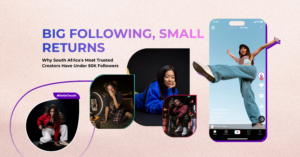
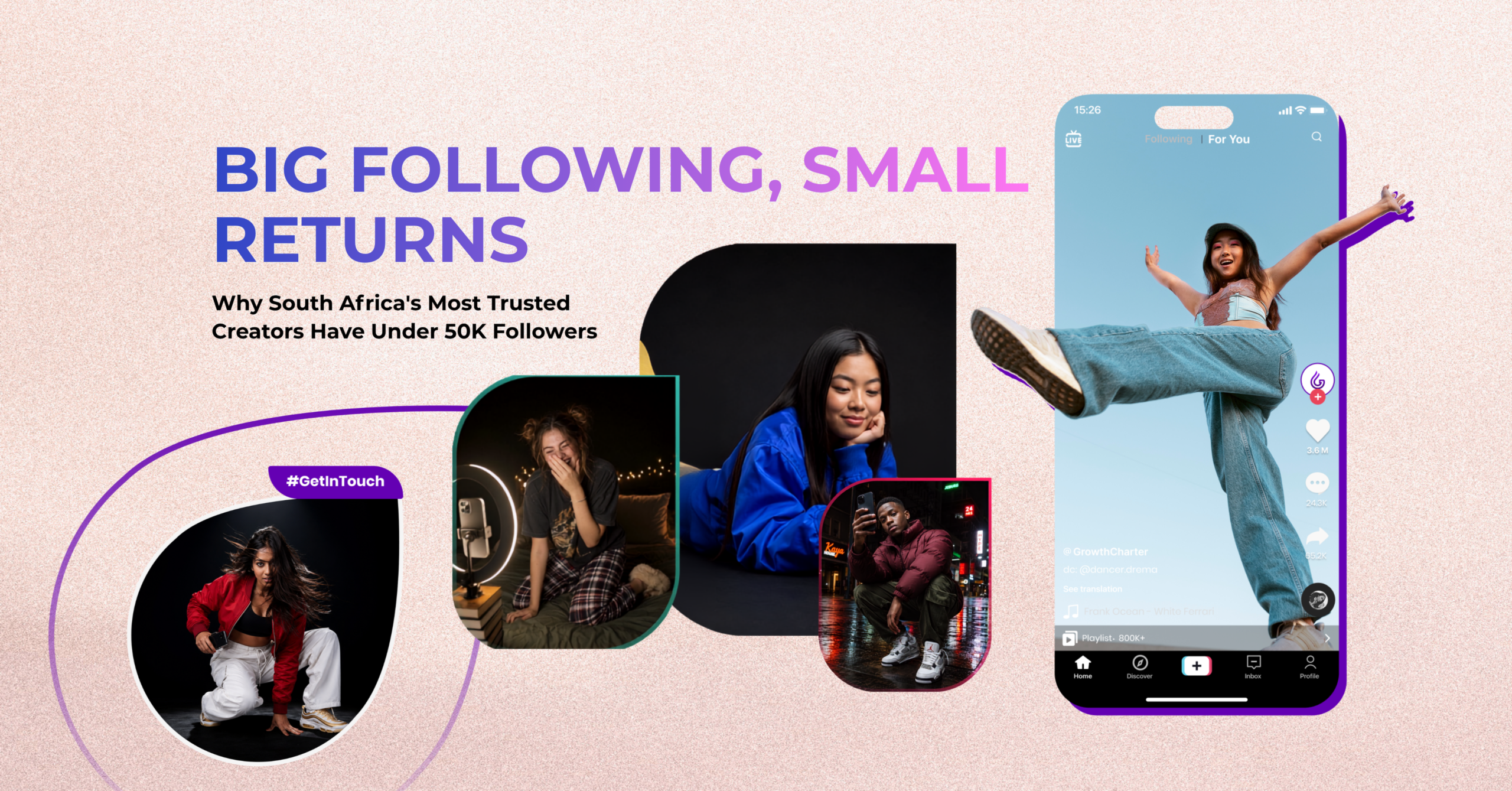
Sprout Social’s 2026 influencer marketing report confirms what anyone paying attention to the South African creator economy already knows: follower count is the least important factor consumers consider when deciding whether to follow or trust a creator. Only 17% of consumers globally cited it as a deciding factor. What actually matters is what a creator talks about, cited by 47%, the brands they choose to partner with at 29%, and the quality of their most recent content at 29%. In South Africa, where township culture, community identity, and cultural specificity have always been the real currency of influence, this is not a new insight. It is a validation of how the most credible local creators have been operating all along.
The numbers behind brand investment tell a more complicated story. More than 75% of marketers globally have increased their influencer marketing budgets, with 54% reporting growth of between 1% and 10% while 22% are growing by more than 11%. In South Africa, where the digital advertising market is valued at over R10 billion annually, influencer marketing is absorbing a growing share of that spend. Yet the same misalignment present in global markets is visible locally.
South African brands are still disproportionately directing budget toward creators with the largest follower counts, while micro and nano creators with the deepest community relationships remain systematically underpaid and underinvested. The data says one thing. The briefing process says another.
South African Gen Z is where this tension is most commercially significant. 81% of Gen Z globally made at least one purchase based on an influencer recommendation in the last year. In South Africa, this cohort allocates approximately 30% of their monthly income to entertainment, personal care, and dining even as over half describe their finances as poor, according to the BCG Africa Consumer Sentiment Survey. Spending for South African Gen Z is not passive consumption. It is identity construction, and the creators they follow are doing far more than selling products. They are providing cultural signposting, community belonging, and social validation in a low-formal-employment environment where those things carry real economic weight. A brand that does not understand the difference between a creator who is genuinely embedded in that ecosystem and one who is simply performing proximity to it will keep spending money and wondering why it is not converting.
The shift from follower count to content quality as the primary selection criterion is already visible in how South Africa’s most effective creator partnerships have been structured. Food creators build loyal communities around township recipes and everyday cooking. Lifestyle creators whose audiences trust their product recommendations precisely because their content has never felt like advertising. Beauty creators who have built followings not through aspiration but through genuine relatability and honest product reviews. These creators are not always the ones with the largest numbers. They are the ones whose audiences actually act on what they say.
The report’s finding that consumers are more likely to purchase based on a niche creator recommendation than a large one, 21% versus 15% respectively, is the commercial argument that South African brands need to hear and operationalise. The engagement rates tell the same story. A creator with 20,000 deeply invested followers driving a 9% engagement rate on a sponsored post is delivering more commercial value than a creator with 500,000 followers and an engagement rate that barely registers.
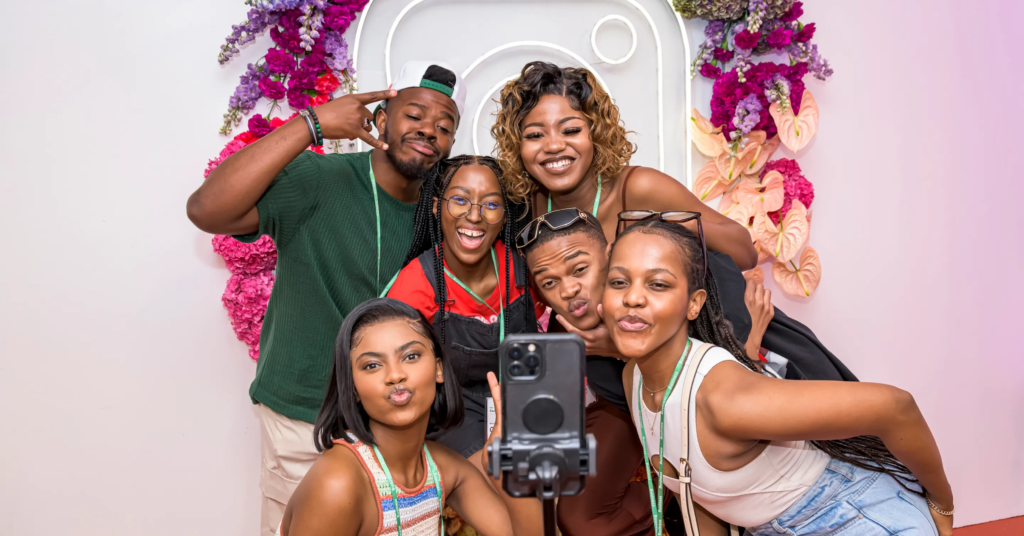
The employee-generated content wave is already present in South Africa, though it is largely informal and unstructured. South African retail workers, restaurant staff, and service employees have been creating content about their workplaces organically, and some of it has gained significant traction without any formal brand involvement. Globally, 40% of consumers discover new products through employee content at least monthly, a figure that rises to 62% for Gen Z. The most trusted employee voice is not the CEO or the marketing department. It is the frontline worker, cited by 46% of consumers compared to just 10% who want to hear from executive leadership.
For South African brands with large frontline workforces in retail, hospitality, and financial services, this represents an underutilised content asset sitting in plain sight and often a major reputational risk if not used properly. One only needs to look at the recent coverage of a vehicle tracking company headquartered in Rosebank to see how powerful the stories of the frontline workers are to a brand and its reputation. The critical caveat is equally important: 61% of consumers believe employees creating promotional content should be paid extra for it. Brands that activate this channel without fair compensation are extracting value from workers who are already among their lowest-paid staff. That is not a content strategy. It is a potential public relations crisis waiting to happen.
The AI influencer question is where South Africa sits at a particularly interesting moment. Globally, 44% of consumers are not comfortable with brands partnering with AI-generated creators, and only 25% are comfortable with the idea. More troublingly, 27% of consumers are not sure whether they already follow AI influencers, and only 60% are confident they do not. In South Africa, where audience trust is built on cultural proximity, shared experience, and visible community belonging, the proposition of an AI creator is especially fragile.
The creators who have built the most durable followings in this market have done so by being visibly, specifically, and genuinely South African. An AI creator cannot replicate that. What it can do is quietly erode the trust infrastructure that makes influencer marketing work in the first place if deployed without transparency. South African brands considering AI creator partnerships need a clear disclosure position now, before the technology makes the question impossible to answer cleanly.
The bottom line from the data, read through a South African lens, is this. The most effective influencer marketing in this market has never been about scale. It has been about specificity, cultural credibility, and the kind of trust that is built over time rather than purchased for a campaign cycle. The global research is now saying what the best South African creators have been demonstrating for years.
The brands that align their investment with that reality in 2026, choosing depth over reach, community over audience, and long-term partnerships over one-off campaigns, are the ones that will still have genuine relationships to build on in 2027. And the creators with under 50,000 followers who have been doing the work all along will finally get the budgets they have always deserved.
By Somila Gwayi